
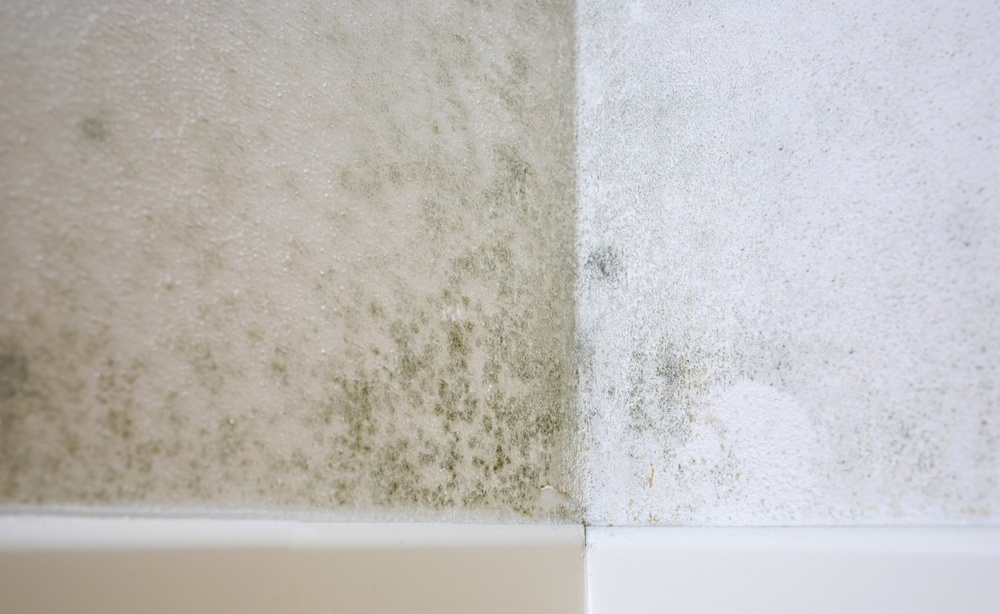
Mold testing after water damage may be useful when materials stayed wet for an extended period, a musty odor persists after drying, water reached hidden areas, the extent of growth is unclear, or documented findings are needed. Not every leak requires testing—the decision depends on property conditions and what information is needed.
A pipe bursts. A roof leaks during a storm. An appliance fails and water spreads across the floor. Once the immediate problem is addressed, a reasonable question follows: does this property need mold testing?
The answer depends on several factors—how long materials stayed wet, which areas were affected, whether drying was confirmed, and what signs remain. Mold testing after water damage is not a mandatory step after every incident, but there are specific situations where professional testing can provide documented information that changes how a property owner, buyer, contractor, or manager responds.
At Copperview Consulting & Inspections, we provide professional mold testing for residential and commercial properties throughout Salt Lake City, Salt Lake County, and Northern Utah. We use inspection observations, air or surface sampling when appropriate, and laboratory analysis to give our clients documented information about the conditions evaluated.
How Water Damage Can Lead to Mold Growth
Mold growth depends on moisture. Leaking pipes, roof intrusions, appliance failures, foundation water entry, and flooding can all leave building materials damp enough to support fungal growth. Drywall, wood framing, insulation, subflooring, and ceiling materials absorb water readily—and once saturated, they can retain moisture long after surfaces appear dry.
Drying wet materials quickly reduces the likelihood of mold development. The 24-to-48-hour window commonly referenced in moisture response guidance refers to a drying target, not a deadline at which mold automatically appears or is guaranteed to be absent. Promptly addressing water intrusion is still the most effective step a property owner can take after any water damage event.
When Mold Testing May Be Useful
Testing adds the most value when the findings would affect how you respond to a property, cleanup effort, repair decision, or transaction. Below are the situations where a mold inspection after water damage tends to provide meaningful information.
Materials Stayed Wet or the Drying Time Is Unknown
When building materials remained wet beyond the initial response period—or when no one can confirm how thoroughly hidden areas dried—further evaluation may be appropriate. This is common after events where drying was not professionally verified, where water reached structural components, or where the damage was discovered long after it occurred. The absence of visible growth does not confirm that materials dried completely.
A Musty Odor Remains After the Area Dries
A persistent musty odor after apparent drying is a reason to investigate further, especially when no visible growth is present. That odor may indicate that moisture or mold remains in a concealed location—inside a wall cavity, beneath flooring, or within an HVAC system. Odor alone cannot identify the source, location, or type of growth, which is why professional evaluation is more informative than a visual check.
Water Reached Hidden Building Materials
Water does not always stay where it’s visible. Leaks behind cabinets, above ceilings, inside wall assemblies, beneath flooring, in crawlspaces, and within insulation can create conditions that a basic walkthrough cannot fully assess. When water has potentially entered areas that are not accessible by sight, a professional inspection with appropriate sampling may provide useful information about conditions that are otherwise difficult to evaluate.
The Extent of the Problem Is Unclear
Visible staining or growth in one location does not always reflect the full scope of the moisture issue. Water travels—along framing, through insulation, and into adjacent materials. When the affected boundaries are uncertain, inspection observations and targeted sampling can help establish a clearer picture of where moisture has been and what conditions it may have created.
Documented Findings Are Needed
Property transactions, rental disputes, insurance claims, contractor coordination, and commercial property management records are all situations where documented findings carry practical weight. Professional mold testing produces laboratory-supported documentation of the conditions present at the time and locations evaluated. That record can inform negotiations, remediation planning, and property decisions in ways that a visual assessment alone cannot.
When Mold Testing May Not Be Necessary
Routine sampling is not required after every water intrusion. If visible mold is already clearly present, sampling may not be necessary to establish that a mold problem exists—the visual evidence already does that. The immediate priorities in that situation are identifying the moisture source and determining the appropriate response.
Testing may also provide limited additional value when water was addressed promptly, affected materials dried completely and that drying was verified, no musty odor or visible growth remains, and no other unresolved conditions are present. The decision should be based honestly on what the findings would change—if testing would not alter the response, it may not be the most productive next step.
Do Not Wait for a Specific Number of Days to Test
There is no universal rule requiring a property owner to wait a set number of days after water damage before scheduling an inspection. The decision to test depends on how long materials were wet, which areas were affected, how drying was verified, and what signs remain—not on a specific elapsed time.
The 24-to-48-hour period referenced in moisture response guidance relates to prompt drying as a prevention measure. It should not be interpreted as a promise that mold is absent before 48 hours or automatically present afterward. If conditions warrant testing, scheduling promptly is generally preferable to waiting.
Mold Testing Does Not Replace Moisture Correction
Mold testing identifies conditions present at the time and locations evaluated. It does not repair the leak, dry building materials, or resolve the underlying moisture problem. Those steps remain central to preventing continued growth—regardless of what testing shows.
If a moisture source is still active, mold can return or continue to develop even after visible growth has been addressed. Any mold inspection or testing should be considered alongside—not instead of—identifying and correcting the source of the water.
What Our Mold Testing Process Includes
Our mold testing services follow a structured process designed to give clients organized, documented information based on accessible conditions and laboratory results.
We Review the Water-Damage History
We ask when the damage occurred, where it originated, which materials were affected, how long the area remained wet, and what drying or repair work has already taken place. That history helps us focus the evaluation and understand what conditions may be relevant to the current findings.
We Evaluate the Affected Areas
We inspect accessible areas for conditions associated with moisture and possible mold growth. Our evaluation is limited to the areas and conditions that are accessible during the inspection—we document what can be observed and note areas where access is restricted.
We Collect Air or Surface Samples When Appropriate
When sampling would provide useful information based on our inspection observations, we collect air samples, surface samples, or both. The type and location of samples are determined by what we find during the evaluation. We do not recommend home test kits as a substitute for professional sampling.
We Submit Samples for Laboratory Analysis
Samples are sent to a professional laboratory for analysis. We organize the laboratory findings together with the relevant sample types, collection locations, and inspection observations so clients receive a clear, structured report rather than raw data.
What Air and Surface Samples Can Show
Air and surface sampling serve different purposes and provide different types of information.
Air sampling captures spores present in the air at a specific location and time. Surface sampling captures material collected from a specific surface. Both methods provide data about the conditions present at the locations sampled—neither evaluates every concealed area in a building. Results are most meaningful when considered alongside inspection observations, moisture conditions, and the history of the affected areas.
A single sample cannot certify an entire property. Laboratory results inform decisions; they do not replace the broader inspection context.
Mold, Mildew, Staining, or Dirt?
Discoloration after water damage is not always easy to identify. Dark patches, gray staining, and fuzzy growth may look similar to one another, and mold, mildew, water staining, soot, and dust can all appear in affected areas. Visual identification alone is not reliable enough to confirm what type of growth is present.
Our article on mold vs. mildew covers the key differences in appearance, behavior, and implications—and explains why professional testing provides answers that visual assessment cannot.
When Broader Environmental Testing May Help
Water damage can raise concerns that extend beyond mold, depending on the property, the source of the water, the affected materials, and the scope of the project. Older properties may contain materials that are relevant to renovation or cleanup planning. Properties with complex indoor environmental histories may benefit from a broader evaluation.
Our environmental testing services cover a range of concerns including asbestos, lead, radon, and indoor air quality—services that may be relevant depending on the property and the nature of the damage. Not every water-damage event requires comprehensive environmental testing, but we can help determine whether a broader evaluation makes sense given the specific conditions.
Mold Testing After Cleanup or Repairs
Post-work testing may be considered when documented findings are needed following professional cleanup or repairs. The value of follow-up testing depends on the original conditions, the scope of the work performed, the sampling plan, and the reason the client needs documentation.
Any post-work evaluation reflects the accessible conditions and samples collected at the time of that inspection. Our documentation organizes those findings clearly, but no single evaluation can account for every concealed area in a building.
Mold Testing in Salt Lake City and Northern Utah
At Copperview Consulting & Inspections, we bring more than 20 years of industry experience to residential and commercial property evaluations. We work with homeowners, buyers, contractors, developers, property managers, businesses, and government agencies to document mold and moisture-related concerns throughout Salt Lake City, Salt Lake County, and Northern Utah.
Our process includes professional air and surface sampling when appropriate, laboratory analysis, organized reporting, and direct communication with our clients. We provide independent inspection and testing services—we do not perform mold cleanup or remediation, which means our findings are objective and focused entirely on documenting conditions accurately.
To schedule professional mold testing or ask questions about your specific situation, call us at (801) 410-1530 or schedule through our website.
Frequently Asked Questions
How soon can mold develop after water damage?
Damp materials should be dried as quickly as possible after any water intrusion. Moisture response guidance commonly references 24 to 48 hours as a drying target, though growth conditions vary depending on the materials affected, the volume of water, and ambient temperature and humidity. Prompt drying remains the most effective prevention step available after a water-damage event.
Do I need mold testing after every leak?
Not necessarily. Testing is most useful when the findings would affect a property decision, cleanup plan, or documentation need. If water was addressed promptly, materials dried completely, no odor or visible growth remains, and no other concerns are present, testing may not provide additional value. The decision should be based on the specific conditions and what information is needed.
Is testing needed if mold is already visible?
Visible mold may already establish that a mold problem exists, which means sampling is not always necessary to confirm that fact. Testing can still be useful if the results would affect the scope of the response, clarify the extent of the issue, or provide documentation needed for an insurance claim, transaction, or remediation plan.
Can mold testing find growth behind walls?
Testing can provide information that suggests a broader issue may be present, but it cannot guarantee that every concealed area has been evaluated. The inspection scope, available access, moisture conditions, and sample locations all affect what findings are produced. Hidden areas that are inaccessible during an inspection cannot be directly evaluated without further investigation.